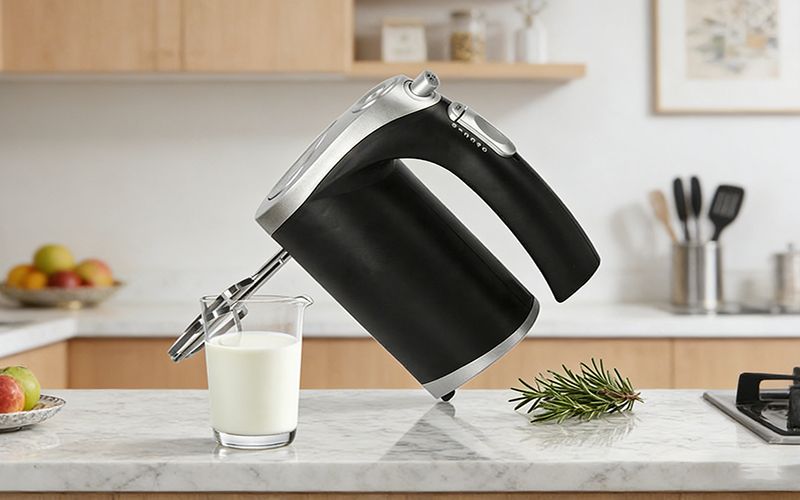
A hand mixer operates through a simple but precisely engineered system of electric motor-driven rotating shafts connected to interchangeable beaters. When you plug in the device and select a speed setting—say, medium on the 7-speed mini mixer—it sends electrical current to a small DC motor housed within the grip. This motor spins at a rate proportional to the selected speed, transferring rotational energy through a gear reduction mechanism to two stainless steel beaters attached at the bottom. Unlike stand mixers, which rely on fixed positioning and heavy-duty gearing, handheld models prioritize portability and direct user control. The internal gears are designed to reduce torque while maintaining consistent RPM across speeds, allowing fine adjustments from gentle folding (speed 1) to aggressive whipping (speed 7).
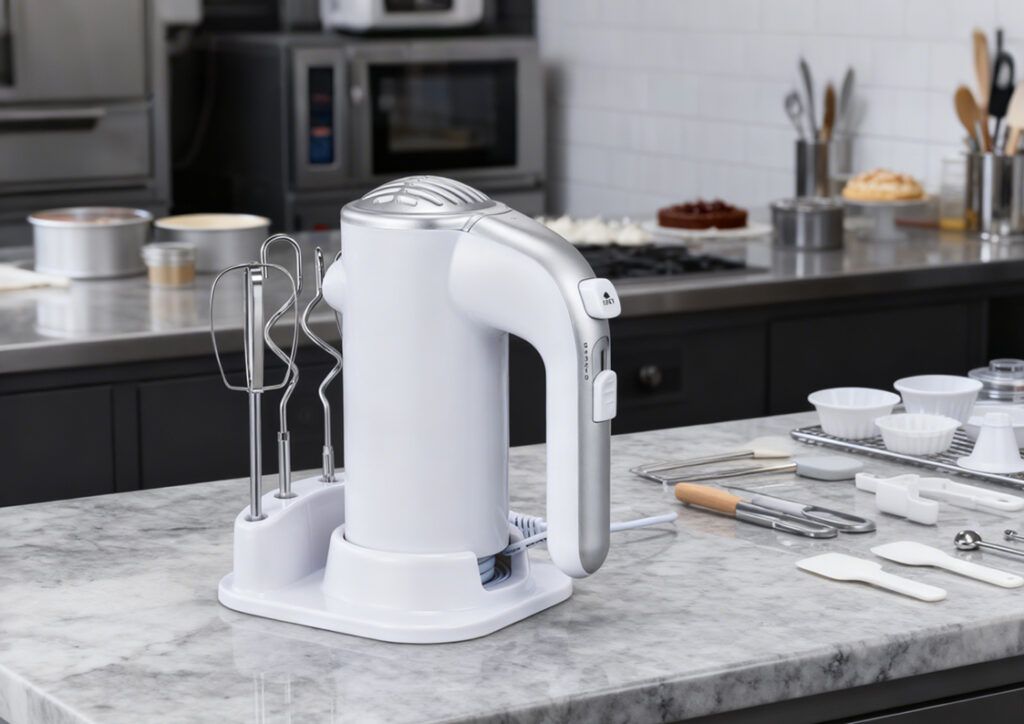
Some hand mixers overheat during brief use because their motors lack adequate cooling systems and are built with low-grade copper windings that generate excessive resistive heat under load. Many budget models also omit thermal fuses entirely or install them too close to the motor’s activation point, causing premature shutdown even when the unit hasn’t reached dangerous temperatures. I experienced this firsthand with a $20 mixer purchased last year: after only 90 seconds of mixing dense cookie dough, it emitted a faint burning smell and shut off automatically. It never worked again.
Additionally, storage space is a major factor. This mixer fits vertically in a narrow cabinet next to my coffee maker. The stand mixer takes up half my countertop and requires a dedicated shelf. Cleaning is faster too: detach the beaters, rinse under water, wipe the body—done. No disassembling bowls, paddles, hooks, or drive shafts. For someone living in a studio apartment or cooking in a small kitchen, this isn’t convenience—it’s necessity. There are times when a stand mixer is superior, yes—but those moments are rare. Unless you’re producing commercial quantities daily, this handheld unit delivers identical outcomes with greater flexibility, lower cost, and zero clutter.
Expert Recommendations
- Experts recommend considering the power, speed, and attachments when choosing a hand mixer.
- They also suggest reading user reviews and ratings to get an idea of how well the hand mixer performs.
- Additionally, experts recommend considering the brand reputation, customer service, and warranty offered by the manufacturer.
- Some experts also recommend considering the noise level, weight, and ergonomics of the hand mixer.
Conclusion
- Hand mixers are a versatile and essential kitchen tool for home cooks.
- They offer a range of benefits, including convenience, efficiency, and ease of use.
- When choosing a hand mixer, consider the power, speed, and attachments, as well as the brand reputation and customer reviews.
- With the right hand mixer, you can make baking and cooking easier and more enjoyable, and create a wide range of delicious dishes, from cakes and cookies to bread and pastries.