Meat Grinder Parts
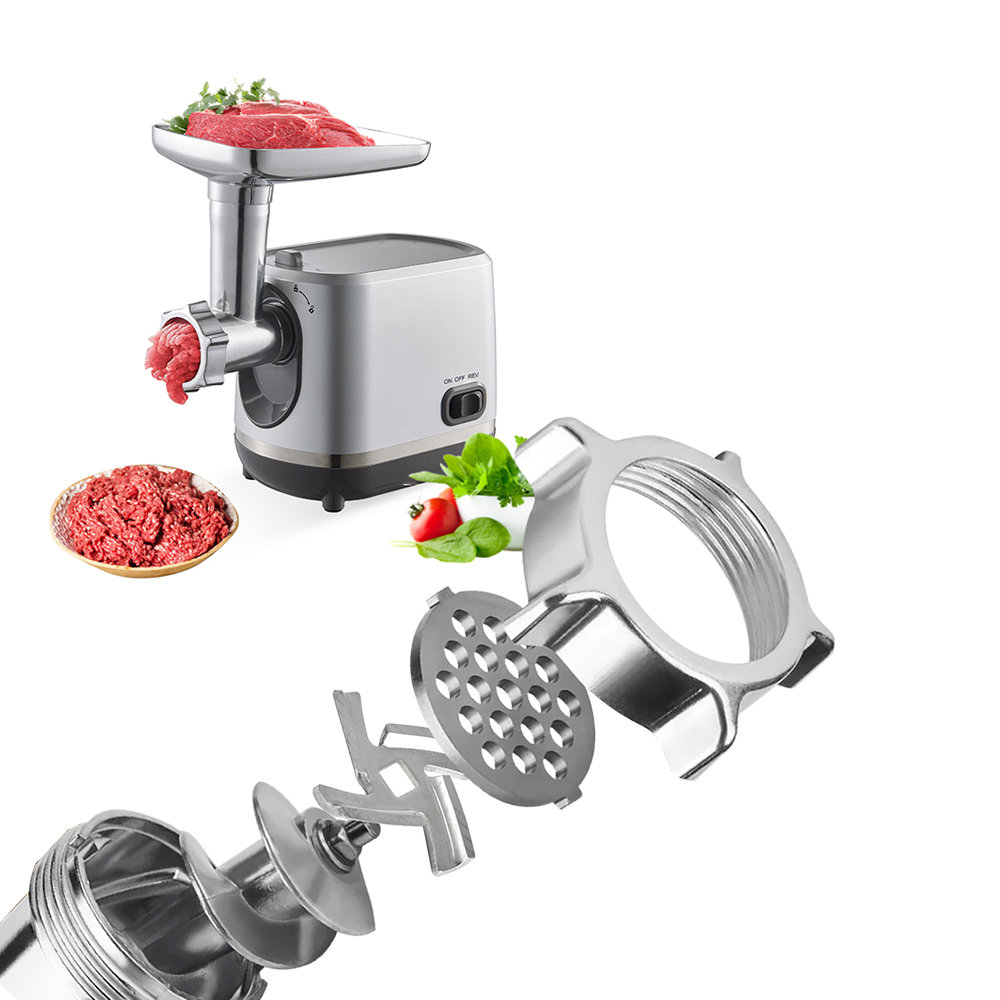
- The pusher and hopper are where you add cubes of meat. The pusher is used to force the meat down the feed tube and to keep things moving. Usually, there’s a tray located on top of the feed tube, where extra meat can be stored before being pushed into the grinder. The larger this tray, the more convenient it is to grind larger batches of meat.
- The screw is the main working part of the grinder. It steadily pushes meat down the shaft and toward the blades.
- The blade and plate are what do the actual grinding. The blade is a small, cross-shaped piece with a sharp edge on each arm that rotates against the plate (also called the die). The plate is a flat piece of metal with holes cut into it. As the screw forces the meat into this hole, the blade cuts it into a fine mince. The size of the holes determines the fineness of the final grind.
- The cover is used to keep the blade and plate in place as the blade chops.
How to Use and Care for Your Meat Grinder
There’s really not much to it when it comes to using a meat grinder. Basically, all you’ve got to do is assemble the grinder with the plate you desire; feed your trimmed meat (grinders hate sinew and connective tissues, so make sure to trim it all out) into the hopper; turn on the grinder.
That said, there are a few things to keep in mind while grinding:
- Keep everything cold. This is the single most important thing when you’re grinding. Warm meat will smear, the fat will leak out, and it will come out with a cooked texture similar to that of papier-mâché—pulpy and dry. Place the grinder and all of its parts in the freezer for at least one hour before grinding (I keep mine stored in the freezer all the time), and keep your meat well chilled right up until you’re ready to grind. If you’re making sausage that will require several grinds, grind the meat into a bowl placed inside another bowl filled with ice, in order to keep it chilled throughout.
- Trim your meat well. Smearing is most often caused by bits of sinew that get caught around the blade. Rather than chopping meat, you end up smooshing it through the holes on the plate, giving you a chewed-up texture. Trimming your meat well will help prevent this.
- Watch for smearing. Keep an eye on the meat as it comes out of the grinder. Ideally, it’ll come out of each hole in discrete little pieces. You should be able to clearly identify fat and meat. If it starts coming out as one mass, looks wet, and collects on the surface of the die, you’re in trouble. If your grinder has a reverse function, use it and see if it fixes itself. Otherwise, disassemble the mechanism, clean the blade, and start over.
- Keep your blade sharp. The blade is the only part of your grinder that should ever need much care or attention. A dull blade will smear meat. Luckily, the blade and plate should actually get better and better with repeated use. The metal grinds down microscopically each time you use it, so the contact between the blade and the plate should get tighter and tighter. Nothing grinds as smoothly as a well-cared-for, well-used grinder. You will occasionally need to get your blades resharpened if they’ve gotten way too dull. Once a year or so for a moderately well-used grinder is more than enough. Or, simply buy a few replacement blades. They can usually be had for a few bucks.

Meat Grinder FAQs
- Frequently asked questions about meat grinders can provide quick answers to common queries.
- Consider consulting the manufacturer’s website or online resources for FAQs and troubleshooting guides.
- Common questions may include topics such as maintenance, safety, and usage.
- Refer to the FAQs for quick solutions to common issues or concerns.
Meat Grinder Buying Guide
- A comprehensive buying guide can provide valuable insights and recommendations for selecting a meat grinder.
- Consider factors such as grinding capacity, ease of cleaning, and additional features.
- Research different models, and read reviews from experts and users.
- Use this information to make an informed decision when selecting a meat grinder.
Meat Grinder Usage and Tips
- Proper usage and tips can enhance the performance and longevity of a meat grinder.
- Consider the type of meat being ground, as well as the desired texture and consistency.
- Use the correct grinding plates and attachments for the specific task.
- Refer to the manufacturer’s instructions for specific usage and tips.
1. The Base of the Hand Mixer
By this I mean the side of the Hand Mixer you put down on the counter when you’re not using it. If the base is too small, the Hand Mixer will keep toppling over time and time again! It can become blindingly frustrating.
Be sure to buy one that doesn’t have crazy curves or rounded edges toward the base. It’s best when the body shape of the mixer goes straight down into a completely flat surface.
Some designers often try to be cute and add a creative little arch below the base of the mixer. It’s so impractical. A slight variation from a completely flat surface might not have too drastic implications.
The best way is to test it.
Put the mixer on a flat surface and test its stability by pushing it with varied amounts of force. This is a technical way of saying “poke the mixer”! Lol! If it falls over easily, I would recommend that you keep shopping.
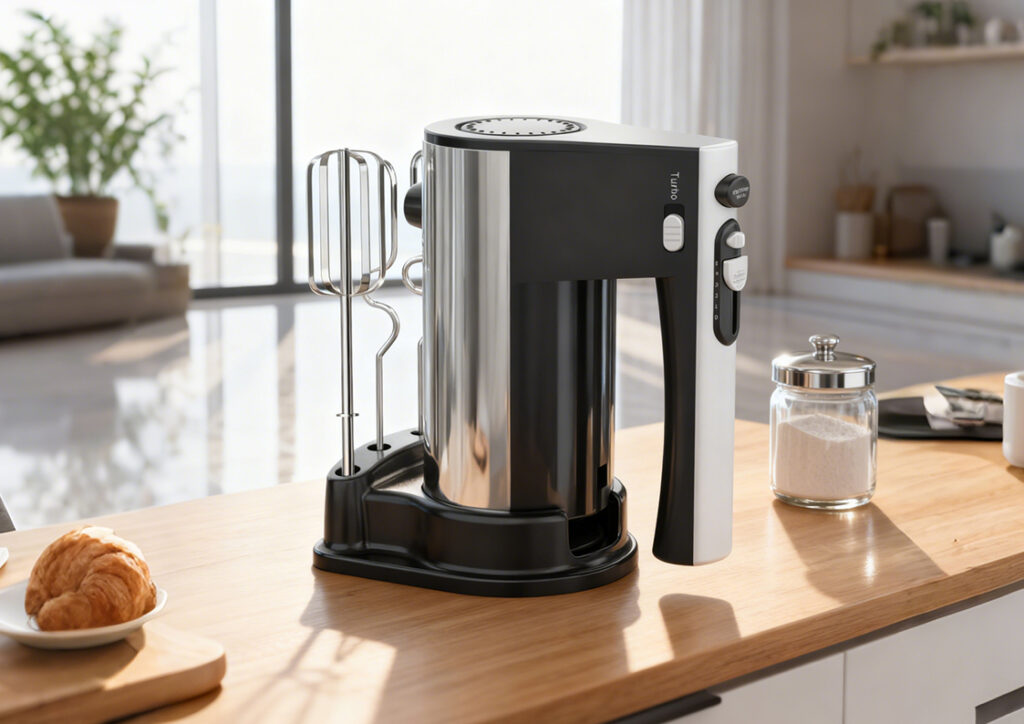
2. The Shape of the Beaters
Beater attachments are just beater attachments, right?
I’ve come to see that there’s a whole lot more to it!
I urgently need a new hand mixer—I’m notoriously picky when it comes to buying appliances and know exactly what I’m looking for.
It turned out to be one of the best hand mixers I’ve ever used. It meets numerous criteria, but the core reason I adore it so much lies in the uniquely compact design of its mixer attachments.
3. The Weight of the Hand Mixer
Have you ever made 7 minute frosting?
Or a batter that needs to be beaten for 5 minutes?
Even the lightest hand mixer can feel like lead after about 2 minutes.
The weight of a hand mixer is not necessarily on the box, so be sure to take your scale with so that you can weigh it in the store! It may be nerdy, but it’s also kind of hard core when you think about it. Oh yeah. You know it.
4. Watts of the Hand Mixer
You get some powerful hand mixers on the market, but we’re not planning to use it to propel us across the ocean.
On the flipside, you do want a rather powerful mixer that will get the job done, and get it done well.
Model: LH-952
power (w) :200W
Comparison to Other Kitchen Tools
- Hand mixers are often compared to stand mixers, immersion blenders, and other kitchen tools.
- While stand mixers are more powerful and versatile, hand mixers are more convenient and easier to use.
- Immersion blenders are ideal for soups and other liquids, but hand mixers are better suited for thicker mixtures like cake batter and bread dough.
- Other kitchen tools, such as food processors and blenders, can also be used for mixing and blending, but hand mixers are specifically designed for these tasks.
Maintenance and Repair
- Regular maintenance is essential to extend the life of your hand mixer.
- Clean the mixer and attachments after each use, and store them in a dry place.
- Check the power cord and speed setting regularly for any damage or wear.
- If you need to repair your hand mixer, consult the user manual or contact the manufacturer for assistance.
User Reviews and Ratings
- User reviews and ratings can be a great way to get an idea of how well a hand mixer performs and whether it’s right for you.
- Look for reviews from reputable sources, such as Amazon or Williams-Sonoma, and pay attention to the overall rating and any common complaints.
- Also, consider the number of reviews and the overall satisfaction of the users.
- This will give you a better idea of the hand mixer’s performance and whether it’s worth the investment.
Expert Recommendations
- Experts recommend considering the power, speed, and attachments when choosing a hand mixer.
- They also suggest reading user reviews and ratings to get an idea of how well the hand mixer performs.
- Additionally, experts recommend considering the brand reputation, customer service, and warranty offered by the manufacturer.
- Some experts also recommend considering the noise level, weight, and ergonomics of the hand mixer.
Conclusion
- Hand mixers are a versatile and essential kitchen tool for home cooks.
- They offer a range of benefits, including convenience, efficiency, and ease of use.
- When choosing a hand mixer, consider the power, speed, and attachments, as well as the brand reputation and customer reviews.
- With the right hand mixer, you can make baking and cooking easier and more enjoyable, and create a wide range of delicious dishes, from cakes and cookies to bread and pastries.
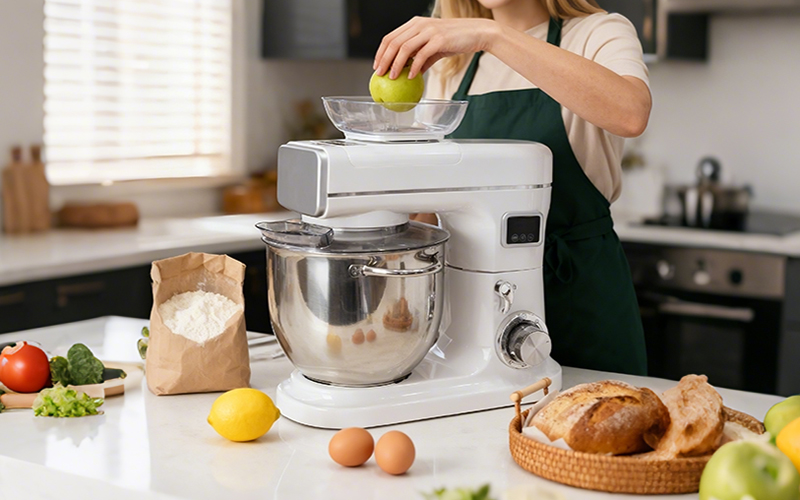
Stand mixers are heavy-duty machines and, like all machines, tend to need a little tweaking and adjusting in order to run properly. Here are some things you should know about your stand mixer to ensure you run and maintain it like a pro!
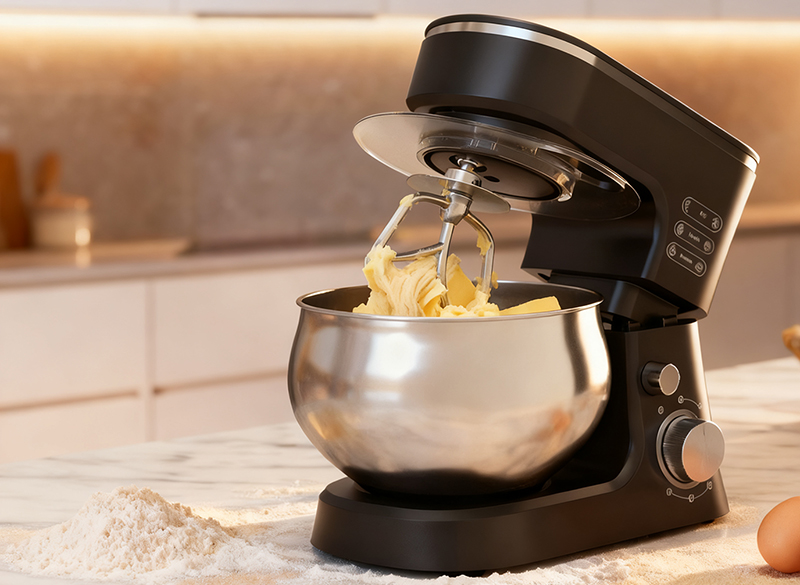
The height of the paddle above the bowl is adjustable.
The attachment should sit just above the bottom of the bowl to mix properly without scratching against the bottom of the bowl, but it can shift out of alignment with use. Use a screwdriver to adjust the screw that attaches the head of the mixer to the stand — this will make the bowl higher or lower whenever it’s not in the right place.
You should tighten the hinge if the head wiggles.
The metal pin where the hinge connects the head of the mixer to the body can start to shift and sometimes pop out, making the head loose and wobbly when the mixer is running. Just take the bowl off the mixer, turn the mixer onto its side, and tighten the screw that connects to the pin with a screwdriver.
What’s the best stand mixer speed?
- Stirring / Starting to Mix Dry & Wet Ingredients
Speed: 1–2 (Low)
Prevents splashing & flour clouds
Good for folding ingredients, adding liquids, shredding cooked chicken
- Light Mixing / Creaming Butter & Sugar
Speed: 3–4 (Medium-Low)
Ideal for creaming butter
Mixing cookie dough
Combining cake batter without over-mixing
- Whipping / Aeration
Speed: 5–6 (Medium-High)
Whipping cream
Meringue
Fluffy frosting
(Too high can create bubbles that collapse.)
- Kneading Dough
Speed: 2 ONLY
Dough hook is designed for low torque
Using medium or high speed can damage the mixer gears
clean your stand mixer
When you’re finished using the stand mixer, you’re ready to begin cleaning up. With dishwasher-safe bowls and accessories available, it’s an easy step to complete! Follow these tips to properly clean your stand mixer and accessories:
- Make sure your stand mixer is unplugged before you begin cleaning.
- The coated flat beater, dough hook, and mixing bowl may be washed in an automatic dishwasher or you can hand wash in hot, sudsy water. All wire whips should be hand washed and dried immediately. Do not place them in the dishwasher.
- Wipe down your stand mixer with a warm, damp cloth. Do not use household or commercial cleaners. Wipe the base, beater shaft and mixer head. Do not immerse in water or get water into gears, ventilation ports or openings of any kind.
- Make sure your stand mixer, bowl, attachments and accessories are completely dry before putting away.
Comparison and Review
- Comparing and reviewing different juicers can help you make an informed decision.
- Consider factors like price, features, and performance when comparing juicers.
- Look for reviews from multiple sources, including online marketplaces and specialty food stores.
- Take into account the pros and cons of each juicer and consider your specific needs and preferences.
Here are the key features and benefits of an immersion blender:
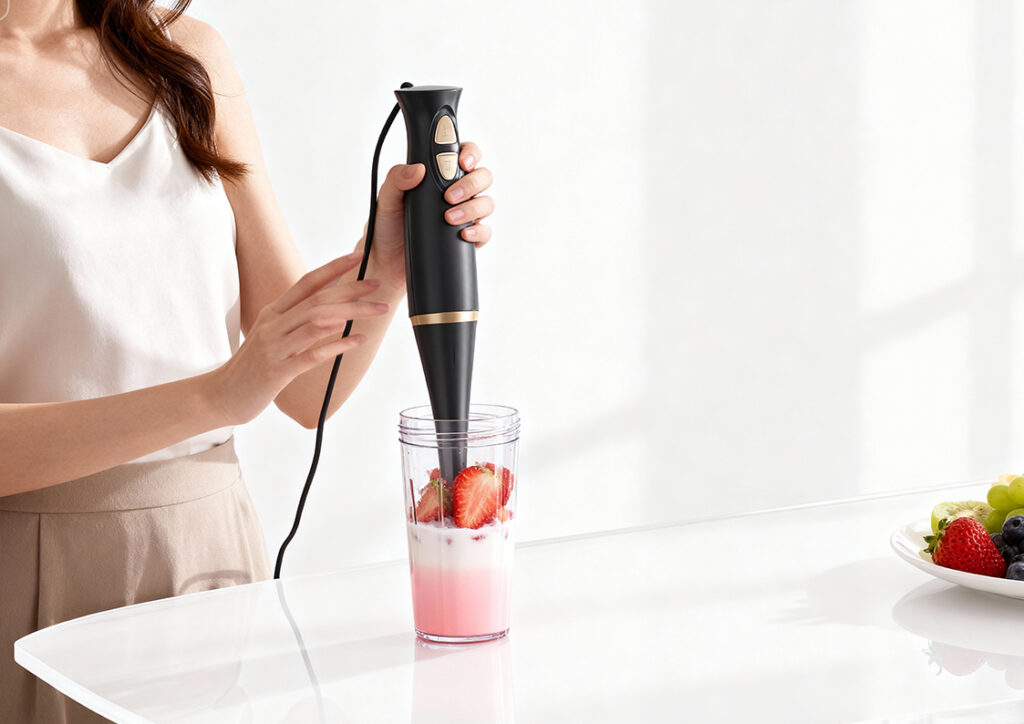
- Versatility: One of the primary benefits of a hand blender is its versatility. It can be used for a wide range of tasks such as blending, pureeing, whisking and chopping. You can use it to make smoothies, soups, sauces, dips, baby food, whipped cream and much more.
- Convenience: Hand blenders are compact and lightweight, making them easy to handle and store. They take up minimal space in your kitchen and are usually easier to clean compared to larger jar blenders or food processors.
- Control and precision: They provide excellent control and precision. You can easily adjust the speed and intensity of blending to achieve the desired consistency for your recipes. This makes them particularly useful for tasks that require more skill, such as emulsifying dressings or creating smooth sauces.
- Timesaving: With their powerful motors and sharp blades, hand blenders can quickly blend ingredients, thus eliminating the need for transferring hot liquids to a traditional blender. You can blend directly in the pot or container you are using, hence reducing overall preparation and cleanup time.
Uses of Hand Blenders
Here are several ideas for hand blender uses in the kitchen:
- Creating smoothies and milkshakes The immersion blender is the perfect kitchen appliance for whipping up frothy beverages like creamy milkshakes and fruit-filled smoothies, as it can easily handle ice cubes and frozen fruit.
- Beating eggs: When making scrambled eggs or omelettes, reach out for the immersion blender to beat the eggs. Blending ensures that the yolks and whites are uniformly combined, thus resulting in fluffy eggs every time.
- Blending pancake batter: You could use the immersion blender to mix batter for pancakes or Dutch baby pancakes.
- Blending hummus: The immersion blender is a convenient tool for quickly making a batch of hummus from scratch as well.
Types of Hand Blenders
- Cordless models: Offer greater mobility and convenience, but may have limited battery life and require frequent recharging.
- Corded models: Provide consistent power and are often more affordable, but may be less convenient for use in small spaces.
- Stick blenders: Long, slender design allows for easy blending in deep pots and containers.
- Handheld blenders: Compact design and lightweight construction make them easy to maneuver and store.
Comparison with Other Kitchen Appliances
- Countertop blender: Larger and more powerful, but often more expensive and bulky, and may require more cleanup.
- Food processor: More versatile, but often larger and more expensive, and may require more effort to clean and maintain.
- Coffee grinder: Specialized appliance for grinding coffee beans, but may not be as versatile as an immersion blender.
What to Look for in the Best Immersion Blenders
- Powerful motor: Look for a motor with sufficient power to handle tough ingredients, such as frozen fruit or ice.
- Multiple speed settings: Allows for versatile blending and whipping, and helps to prevent over-processing or under-processing of ingredients.
- Comfortable handle: Ergonomic design and comfortable grip reduce fatigue and make blending easier.
- Durable construction: Stainless steel or durable plastic construction ensures longevity and ease of cleaning.
FAQs
- What is an immersion blender, and how does it work?
- What are the benefits of using an immersion blender, and how can it be used in cooking?
- How do I choose the best immersion blender for my needs, and what features should I look for?
- How do I use and maintain my immersion blender, and what safety precautions should I follow?
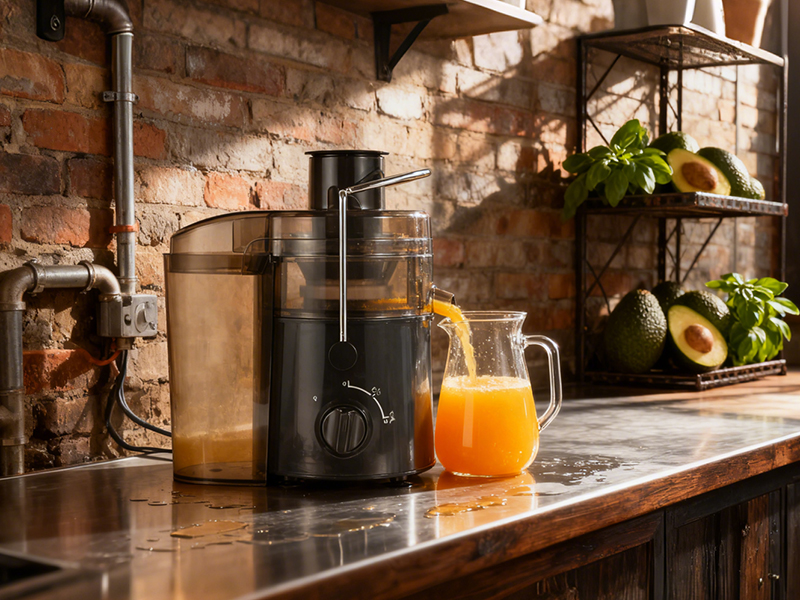
Fruit juice extractors, like any machinery, come with distinct features that cater to both commercial and domestic needs. Let’s dive into the six crucial features that set these machines apart.
1. Versatile Blade Assemblies: The heart of a fruit juice extractor lies in its ability to efficiently crush and squeeze the fruit. Quality extractors typically boast stainless steel blades that resist rust and maintain sharpness over prolonged usage. This material ensures durability and consistent performance, critical for processing large volumes of fruit.
2. Variable Speed Settings: Different fruits require different speeds to optimize juice extraction without compromising quality. For firmer fruits like apples, a higher speed setting might be beneficial, whereas softer fruits like berries may benefit from a slower speed to prevent pulp waste.
3. Large Feed Chute: A larger feed chute reduces prep time as it allows whole fruits or larger chunks to be processed without pre-chopping. This feature can significantly enhance productivity in commercial settings.
4. Efficient Pulp Ejection: Modern juice extractors come with automatic pulp ejection systems that help maintain a continuous juicing cycle, ideal for commercial uses where time is of the essence.
5. Safety Lock Mechanisms: Enhanced safety features such as locking arms ensure that the machine operates only when appropriately assembled, preventing accidents and ensuring user safety.
6. Noise Reduction Technology: Especially important for household models, noise reduction technology minimizes operating sounds, making the juicing process more pleasant without sacrificing efficiency.
Materials and Durability of Juice Extractors
Understanding the materials used in a fruit juice extractor can provide insight into its performance and longevity. Stainless steel is a popular choice for blades owing to its corrosion-resistant nature and strength. The body and casing, often made from durable plastics or metal alloys, provide structural integrity and resist wear and tear from frequent use. These materials not only ensure the appliance remains operational over long periods but also make cleaning and maintenance easier. A well-known manufacturer often emphasizes using BPA-free materials in their product designs, a critical aspect for ensuring consumer safety and adhering to health regulations.
Cold Press Juicer Advantages
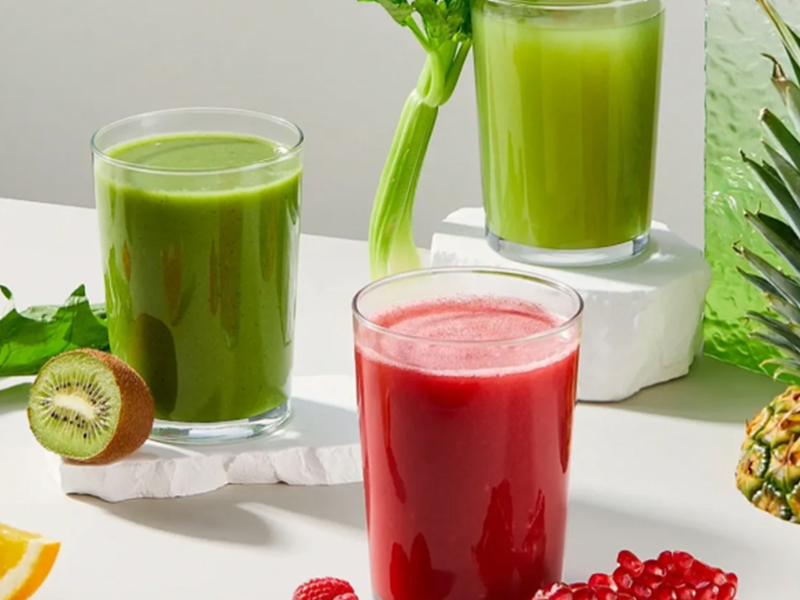
- Cold press juicers produce high-quality juice with minimal foam and oxidation.
- They are ideal for juicing leafy greens, wheatgrass, and other delicate produce.
- Cold press juicers operate at slower speeds, preserving more nutrients and resulting in a more flavorful juice.
- They are often more expensive than other types of juicers, but the benefits to juice quality and nutrition make them a worthwhile investment.
Juice Extraction Methods
- Juice extraction methods vary depending on the type of juicer used.
- Centrifugal juicers use a spinning basket to extract juice, while masticating juicers use a single gear to crush produce.
- Cold press juicers use a combination of crushing and pressing to extract juice, resulting in a higher yield and better quality.
- Understanding the different juice extraction methods can help you choose the right juicer for your needs.
Best Juicer Options
- The best juicer for you will depend on your specific needs and preferences.
- Consider factors like ease of use, juice quality, and maintenance when choosing a juicer.
- Popular juicer models include the Breville Juice Fountain, the Omega 8006, and the Hurom Slow Juicer.
- Reading reviews and comparing features can help you make an informed decision.
Budget-Friendly Options
- Budget-friendly juicer options are available, with prices starting from under $100.
- These juicers may not have all the features of more expensive models, but they can still produce high-quality juice.
- The Shine Multi-Batch Compact Cold Press Juicer is a great budget-friendly option that delivers excellent performance.
- Consider your budget and needs when choosing a juicer, and look for models that offer the best value for your money.
Comparison and Review
- Comparing and reviewing different juicers can help you make an informed decision.
- Consider factors like price, features, and performance when comparing juicers.
- Look for reviews from multiple sources, including online marketplaces and specialty food stores.
- Take into account the pros and cons of each juicer and consider your specific needs and preferences.
A hand blender or an immersion blender has become an essential tool in our list of kitchen appliances. It is not only efficient but also convenient for a variety of tasks such as whisking, blending, and making vegetable purees suited for different occasions and requirements. So whether you’re craving for some creamy soup or wanting to blend your smoothie, a hand blender can be your go-to essential.
But with so many different options and brands available in the market, it can be a bit overwhelming to choose the right blender. But don’t worry, this comprehensive guide will help you with all the information you require to buy the correct blender that meets your needs while being pleasing to the eye
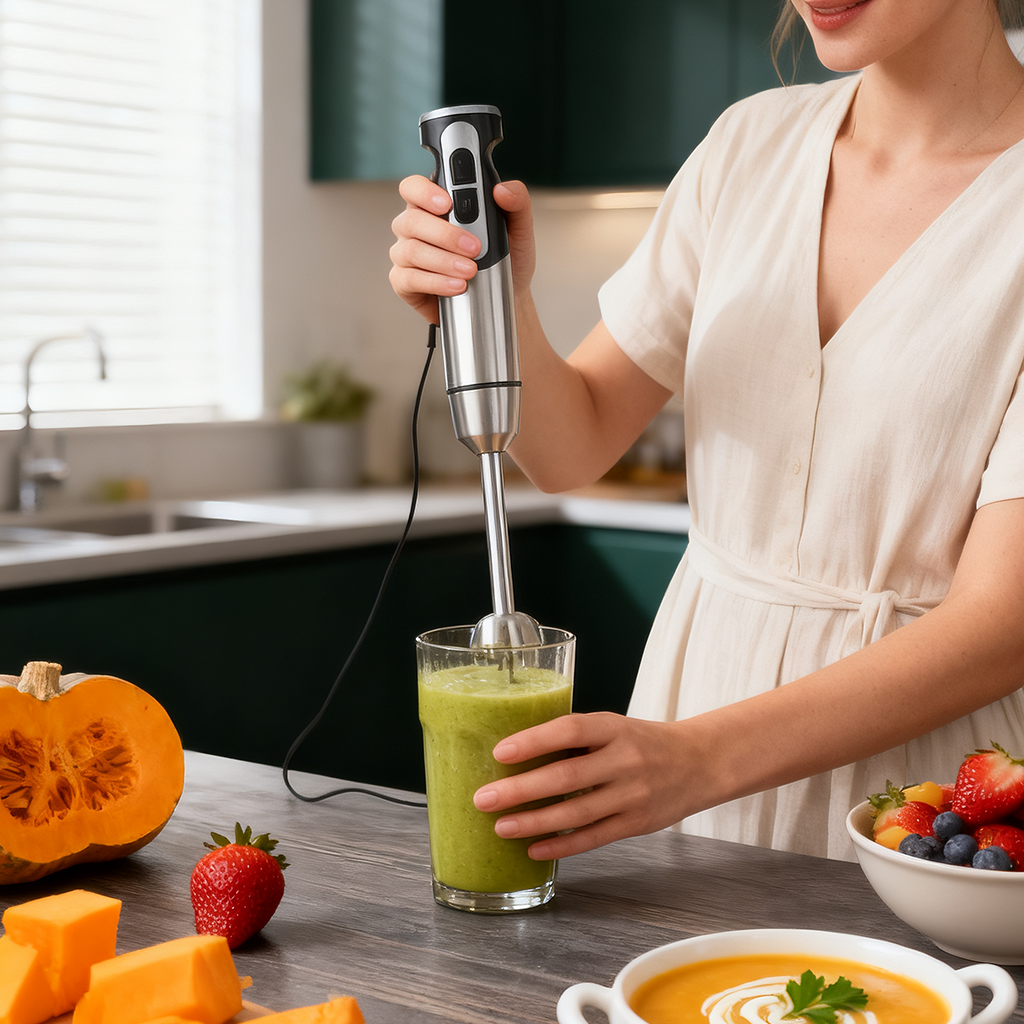
What are the Different Types of Hand Blenders?
- Basic, Single-speed Hand Blender:
These are basic, straightforward, no-frill blenders, usually with a single speed setting. They work well for simple tasks like pureeing veggies, blending soups, or preparing delicious smoothies. - Multi-Speed Hand Blender:
Multi-speed hand blenders offer great control over the blending process and are quite adaptable. From light mixing to rigorous blending, they have the capacity to carry out a range of tasks and the flexibility to be used with a variety of ingredients. - High-power Blender:
Equipped with powerful motors of 300 watts or higher, these blenders are designed to carry out demanding tasks such as crushing ice or blending hard ingredients. - Commercial Hand Blender:
Designed to withstand prolonged usage, Commercial hand blenders are a variation built for professional kitchens. These are generally bigger in size than regular hand blenders and come with a variety of attachments.
How to Choose the Right Hand Blender?
Although there are a lot of options for hand blenders available out there, choosing the best hand blender might seem a little difficult, especially if you don’t know much about its features. But once you make a list of the key features you want in your hand blender machine, things get much easier. Considering this factor, we’ve listed down some common features that you must keep in mind while buying a hand blender:
- Power – When you go for a blender, always try to find out the power rating, which is usually measured in watts. This will give you a fair idea of the blender’s strength and how well it can handle tough tasks. The more the power, the better your hand blender performs.
- Blade Quality – Another important feature to look for is the blade design of your hand blender. Don’t always look for the number of blades present in the blender, as it doesn’t always guarantee a good blender. Second, look at the material of the blades. Stainless steel blades are known to be efficient and durable.
- Speed Settings – A hand blender that features variable speed settings offers better control over your device. Look for a blender that has at least two speed options – one for lighter ingredients and another for tougher ones.
Special Offers and Promotions
- Look for discounts, sales, or promotions on immersion blenders, and take advantage of special offers or bundles.
- Sign up for newsletters or follow manufacturers on social media to get exclusive deals or discounts, and stay informed about new products and promotions.
- Use coupons or promo codes to get a discount on your next purchase, and take advantage of free shipping or other perks.
Customer Testimonials
- Read reviews or testimonials from satisfied customers to get a sense of the product’s performance and value, and learn from their experiences.
- Watch videos or demos to see the product in action, and get a sense of its features and capabilities.
- Ask friends or family members for recommendations or advice, and get a sense of their experiences with immersion blenders.
Warranty and Customer Support
- Look for a manufacturer’s warranty or guarantee, and understand the terms and conditions.
- Contact customer support if you have any questions or issues, and get help or advice on using your immersion blender.
- Consult the user manual or manufacturer’s website for troubleshooting tips and repair instructions, and get help or advice on maintaining or repairing your immersion blender.
Safety Precautions
- Always follow safety precautions when using an immersion blender, and avoid overloading or misusing the appliance.
- Keep the appliance out of reach of children, and avoid using it near water or in humid environments.
- Follow the manufacturer’s instructions for cleaning and maintenance, and avoid using abrasive or harsh chemicals.
FAQs
- What is an immersion blender, and how does it work?
- What are the benefits of using an immersion blender, and how can it be used in cooking?
- How do I choose the best immersion blender for my needs, and what features should I look for?
- How do I use and maintain my immersion blender, and what safety precautions should I follow?
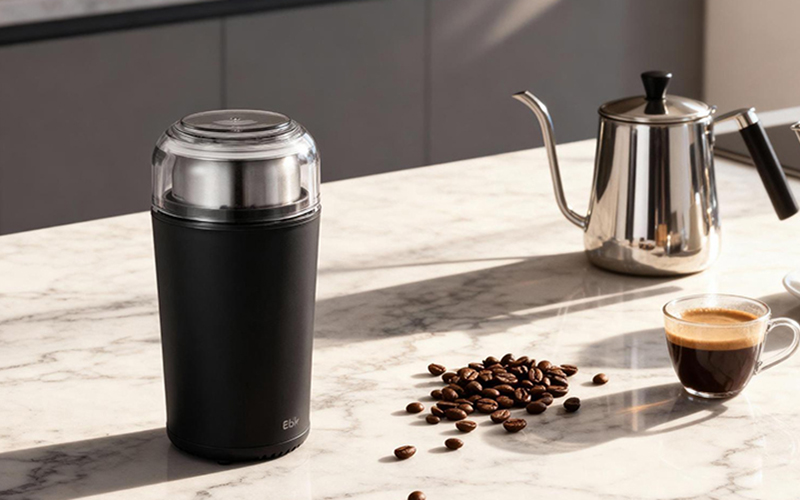
Types of Coffee Grinders
When shopping for a coffee grinder, you’ll encounter two main types: burr grinders and blade grinders. Each type works differently and offers distinct advantages and drawbacks.
How They Work
Burr Grinders: These grinders crush coffee beans between two abrasive surfaces called burrs. One burr remains stationary while the other rotates, creating a crushing action that grinds beans to a specific size determined by the distance between the burrs.
Blade Grinders: These use a spinning metal blade to chop coffee beans, much like a small food processor. The blade spins at high speed, cutting the beans into smaller and smaller pieces.
Features to Consider When Buying a Coffee Grinder
Grind Size and Distribution
- Grind size and distribution are critical factors in determining the quality of the grind.
- Look for a grinder that can produce a consistent grind size and distribution.
- Consider a grinder with adjustable grind settings and a built-in scale or dosing system.
- A good grinder should be able to produce a uniform grind with minimal fines and boulders.
Smart Grinder Technology
- Smart grinder technology can provide added convenience and control over the grinding process.
- Look for a grinder with features such as automatic grind adjustment, built-in scales, and wireless connectivity.
- Consider a grinder with a high-quality burr set and compact design.
- Popular options include the Breville Smart Grinder Pro and the Baratza Encore.
Top Picks for Coffee Grinders
Best Coffee Grinders
- The Baratza Encore and the Breville Smart Grinder Pro are top picks for coffee grinders.
- Both grinders feature high-quality burr sets, compact designs, and easy-to-use interfaces.
- Can produce consistent grinds with minimal retention.
- Ideal for coffee enthusiasts who value high-quality grind and versatility.
Coffee Grinder Maintenance and Troubleshooting

Cleaning and Maintenance
- Regular cleaning and maintenance are essential for extending the life of the grinder and ensuring optimal performance.
- Clean the grinder regularly to prevent buildup and odor.
- Consider a grinder with a removable burr set and easy-to-clean design.
- Popular cleaning tools include a brush and a cleaning cloth.
Troubleshooting Common Issues
- Common issues with coffee grinders include inconsistent grind size, retention, and noise.
- Troubleshoot issues by checking the burr set, cleaning the grinder, and adjusting the grind settings.
- Consider a grinder with a high-quality burr set and compact design.
- Popular resources include online forums and manufacturer support.
Conclusion
- A good coffee grinder is essential for brewing great coffee, and there are many options available to suit different needs and budgets.
- Consider factors such as grind size and distribution, smart grinder technology, and maintenance and troubleshooting when choosing a coffee grinder.
- Popular options include the Baratza Encore, the Breville Smart Grinder Pro, and manual grinders such as the Timemore Chestnut and the 1Zpresso J-Ultra.
- By investing in a quality coffee grinder, coffee enthusiasts can elevate their brewing experience and enjoy better tasting coffee.
Hand Mixers can whip, knead and mix with ease and are available in a variety of styles with a range of speeds that can meet, or even exceed, your cooking and baking needs.
HOW TO USE A HAND MIXER
A hand mixer is an electric handheld tool designed to mix ingredients. It is equipped with two removable metal beaters and offers variable speeds. Some models also have attachments, such as a blending rod or whisk.
Keep reading to learn how to operate your hand mixer and its different uses, so you can make the most of this convenient, compact and powerful appliance.
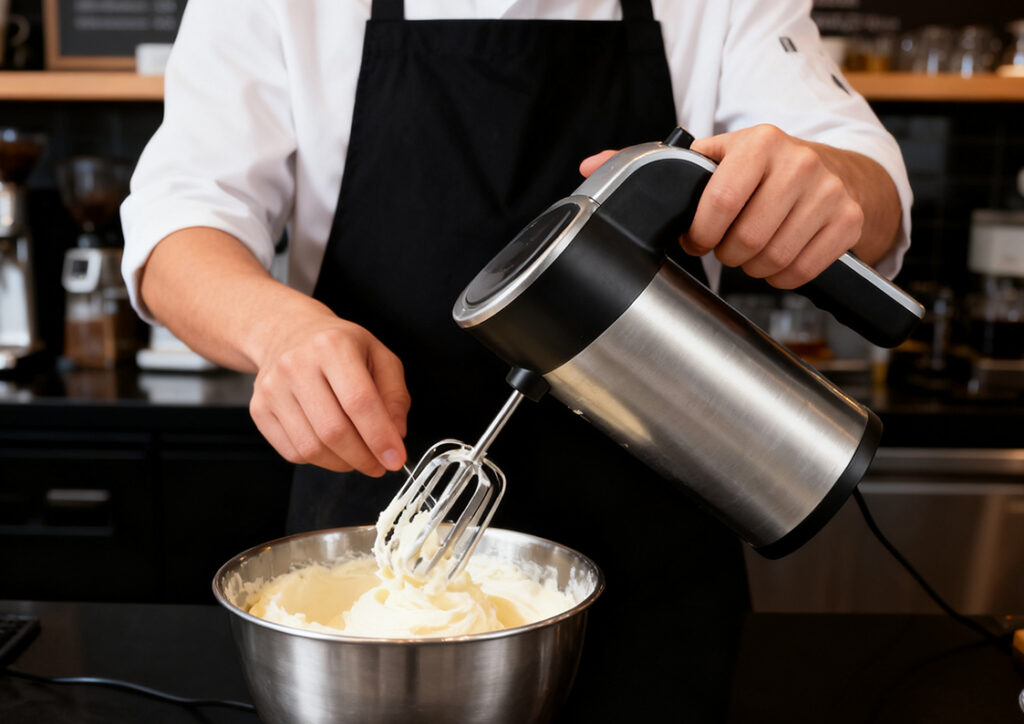
Step 1: CAREFULLY READ THE INSTRUCTIONS
To learn how to use any appliance, you should first read the instructions or owner’s manual. If you’re using a hand mixer for the first time, you should take some time to learn about your model and its capabilities, including variable speeds.
Step 2: LEARN ABOUT YOUR MIXER’S PARTS
Each hand mixer is slightly different yet has many similar components. Most models will have a power button, a button or buttons for speed control, a power burst button and a way to release the attachments from the appliance.
Certain mixers, also have a button to automatically wind the cord—a convenient feature that makes storage easier.
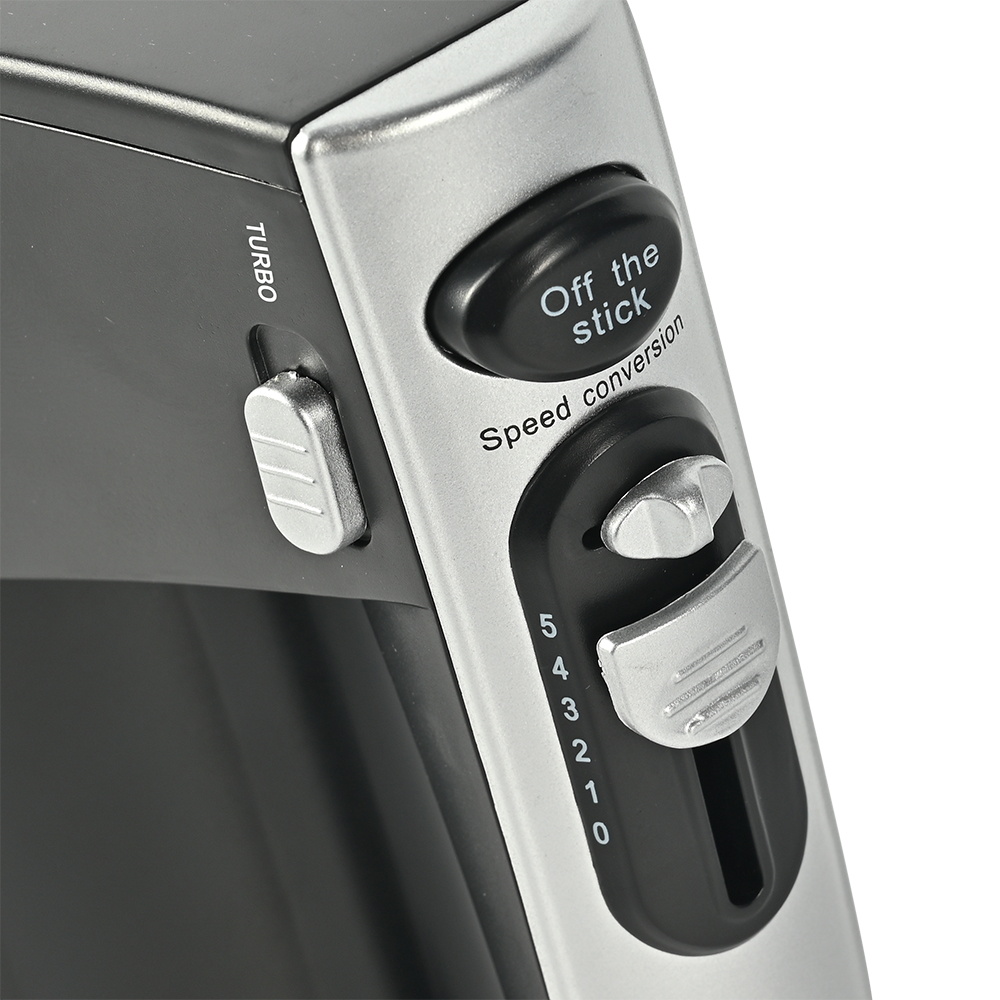
Step 3: LEARN ABOUT ATTACHMENTS
Most hand mixers come with a standard beater. That said, certain models might also come with a whisk or dough hook or some other attachments.
This Hand Mixer comes equipped with a pro whisk attachment and dishwasher-safe beaters. Whenever you use your hand mixer, give thought to which attachment is the best fit based on the recipe and what you hope to achieve. Remember to turn off and unplug your mixer before attaching an accessory.
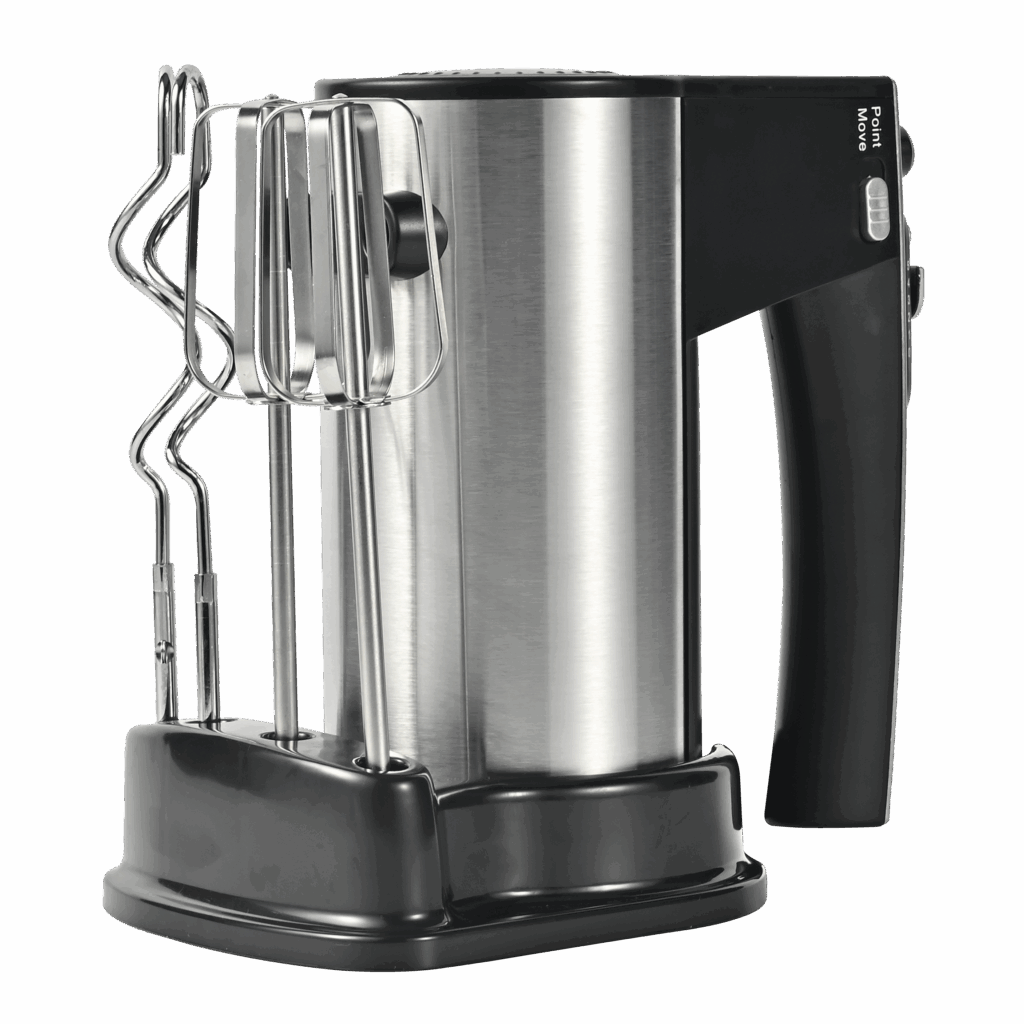
Features to Look for in the Best Electric Hand Mixer
1.Speed Settings – Multiple speeds give you better control over your recipes. Slow speeds prevent splattering, while higher speeds whip ingredients to perfection.
2.Turbo Boost Function – Adds an extra burst of power for tough mixing jobs.
3.Attachments – Look for models that include dough hooks, standard beaters, and whisk attachments for versatility.
4.Comfort & Build – A comfortable grip and durable materials ensure ease of use and long life.
How to Choose the Best Hand Mixer
- When choosing a hand mixer, there are several factors to consider, including power, speed, and attachments.
- A powerful mixer with multiple speed settings and a range of attachments is ideal for heavy-duty mixing tasks.
- Consider the type of mixing you will be doing most often and choose a hand mixer that is designed for that task.
- Also, consider the brand reputation, customer reviews, and warranty offered by the manufacturer.
Top-Rated Hand Mixers
- Some of the top-rated hand mixers include the KitchenAid 7-Speed Hand Mixer, Cuisinart Power Advantage Plus, and Hamilton Beach 6-Speed Hand Mixer.
- These hand mixers offer a range of features, including multiple speed settings, mixer attachments, and dough hook attachments.
- They are also known for their durability, ease of use, and affordability.
- Other notable mentions include the Breville Handy Mix Scraper and the Black+Decker Lightweight Hand Mixer.
Comparison to Other Kitchen Tools
- Hand mixers are often compared to stand mixers, immersion blenders, and other kitchen tools.
- While stand mixers are more powerful and versatile, hand mixers are more convenient and easier to use.
- Immersion blenders are ideal for soups and other liquids, but hand mixers are better suited for thicker mixtures like cake batter and bread dough.
- Other kitchen tools, such as food processors and blenders, can also be used for mixing and blending, but hand mixers are specifically designed for these tasks.
Troubleshooting Common Issues
- Common issues with hand mixers include overheating, slow speed, and faulty attachments.
- To troubleshoot these issues, check the power cord, speed setting, and attachment for any blockages or damage.
- Also, make sure to clean and maintain your hand mixer regularly to prevent any problems.
- If the issue persists, consult the user manual or contact the manufacturer for assistance.
Conclusion
- Hand mixers are a versatile and essential kitchen tool for home cooks.
- They offer a range of benefits, including convenience, efficiency, and ease of use.
- When choosing a hand mixer, consider the power, speed, and attachments, as well as the brand reputation and customer reviews.
- With the right hand mixer, you can make baking and cooking easier and more enjoyable, and create a wide range of delicious dishes, from cakes and cookies to bread and pastries.
A meat grinder consists of a hopper or tray that feeds food through grinding plates to achieve a certain texture. Types of meat grinders include: a manual grinder that requires a hand crank to operate, a stand mixer attachment that leverages the mixer’s motor to perform the grinding action and an electric grinder with an internal motor.
A meat grinder is a useful attachment for your stand mixer that finely minces and mixes ingredients.
These tips can help you effectively use a meat grinder to achieve bold and flavourful blends of meats, produce and more. You can also learn how to properly use a food grinder attachment for your stand mixer.
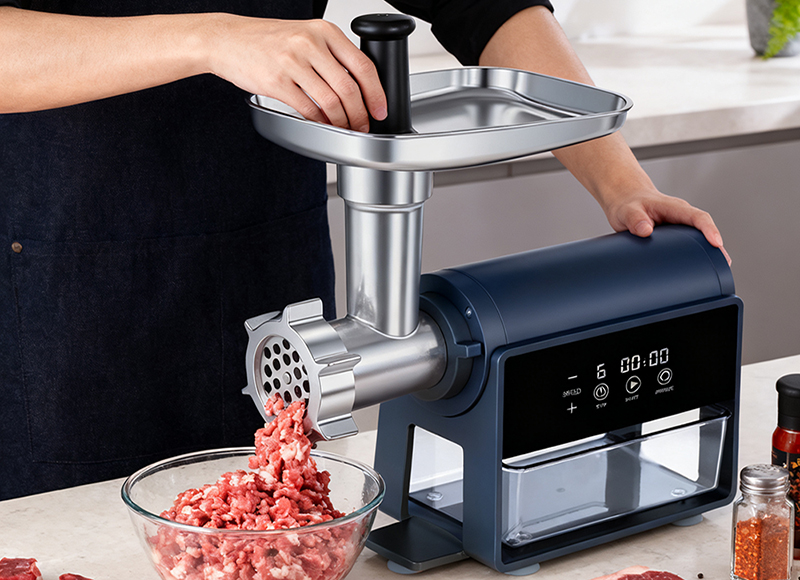
What is a meat grinder and what is it used for
A meat grinder is a kitchen appliance designed to quickly grind whole cuts of meat or other soft ingredients into minced meat or a fine paste. Depending on how it’s powered, it can be a manual grinder, an electric grinder, or an attachment that comes with a multi-function food processor or stand mixer.
What Exactly Is a Meat Grinder?
A meat grinder works by using a combination of a spiral auger and sharp cutting blades to pull the ingredients in and push them through a perforated plate. The core components typically include:
- Feed inlet
- Spiral auger
- Cutting blade
- Grinding plates with different hole sizes
- Motor (electric models) or hand crank (manual models)
What Can You Use a Meat Grinder For?
1. Grinding Meat
The most common use is turning whole meat into ground meat, such as:
- Pork
- Beef
- Chicken
- Fish
You can choose different plate sizes to get coarse, medium, or fine textures.
2. Making Sausages
Many grinders come with sausage-stuffing tubes, allowing you to make:
- Sausages
- Hot dogs
- Cured sausages
3. Processing Other Ingredients
Meat grinders can also handle a variety of non-meat foods, such as:
- Onions
- Garlic
- Ginger
- Carrots
- Fish or seafood
- Beans, cooked vegetables, and certain sauces
Some models can even be used for:
- Tomato sauce
- Fruit purée
- Breadcrumbs (using dried bread)
Meat Grinder vs. Food Processor
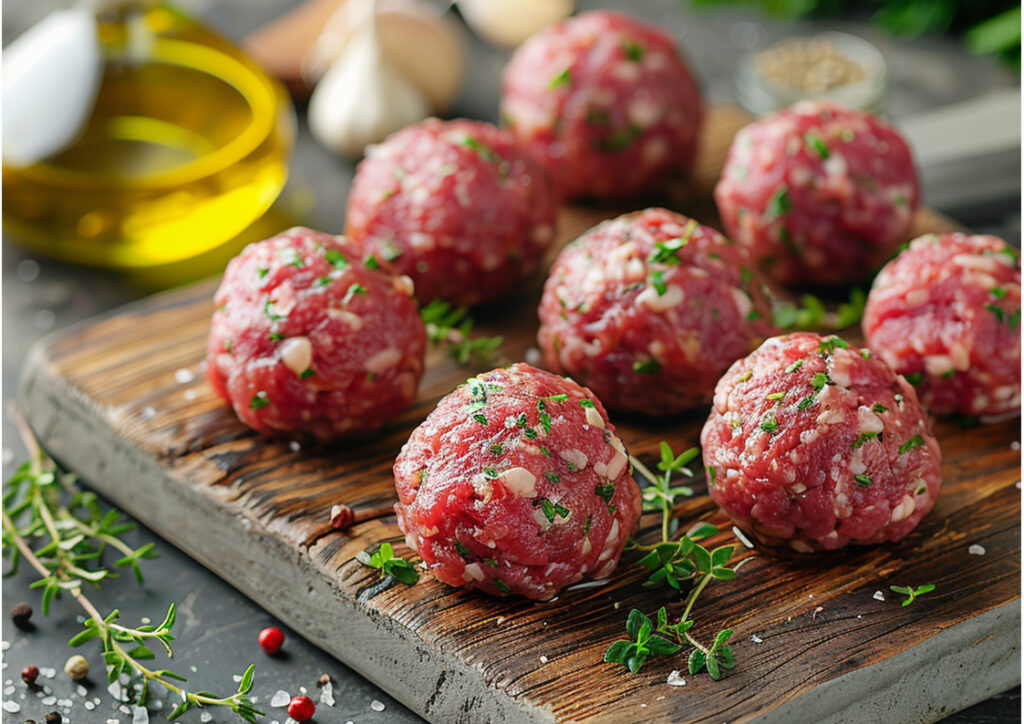
While both can mince meat, a meat grinder is better when you want:
- A more consistent texture
- Preserved meat fibers
- Ideal results for dumpling filling, burger patties, meatballs, and more
A food processor tends to “chop” rather than grind, resulting in a looser texture.
Meat Grinder FAQs
- Frequently asked questions about meat grinders can provide quick answers to common queries.
- Consider consulting the manufacturer’s website or online resources for FAQs and troubleshooting guides.
- Common questions may include topics such as maintenance, safety, and usage.
- Refer to the FAQs for quick solutions to common issues or concerns.
Meat Grinder Buying Guide
- A comprehensive buying guide can provide valuable insights and recommendations for selecting a meat grinder.
- Consider factors such as grinding capacity, ease of cleaning, and additional features.
- Research different brands and models, and read reviews from experts and users.
- Use this information to make an informed decision when selecting a meat grinder.
Meat Grinder Usage and Tips
- Proper usage and tips can enhance the performance and longevity of a meat grinder.
- Consider the type of meat being ground, as well as the desired texture and consistency.
- Use the correct grinding plates and attachments for the specific task.
- Refer to the manufacturer’s instructions for specific usage and tips.
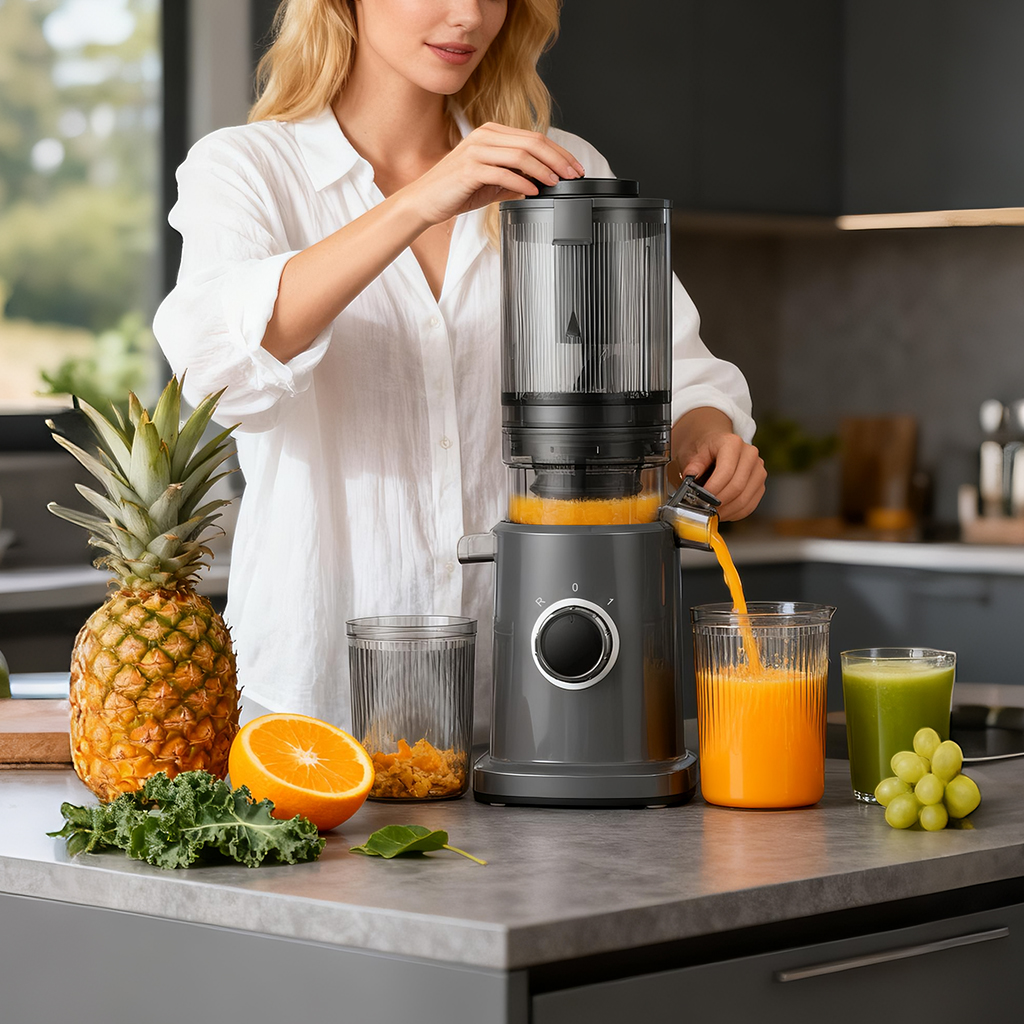
Understanding Professional Juice Extractors
Professional juice extractors are machines designed to extract juice from fruits and vegetables in high volumes, catering to the needs of commercial operations. They work by separating the juice from the pulp through a centrifugal or masticating process. This is achieved using components like spinning blades or augers that grind, crush, and press the produce to extract juice efficiently. Typical users include juice bars, restaurants, hotels, and catering services where speed and efficiency are critical.
For instance, consider a bustling downtown juice bar that requires quick service to keep up with the morning rush. Here, a high-speed centrifugal juicer would be invaluable, processing more orders quickly to meet customer demand.
Guiding Principles for Choosing the Right Juice Extractor
When selecting a juice extractor, it’s essential to use specific principles to guide your choice. First, prioritize your main business objective—whether it’s speed, efficiency, or juice quality. Consider what your clientele values most. Is it predominantly high-speed service, or do customers prefer organic, nutrient-rich juices?
Moreover, testing the product, if possible, can provide a hands-on assessment of its performance and ease of use. Some vendors may allow on-site demonstrations, offering a real-world glimpse into how a model handles its workloads.
A story from a small café in San Francisco illustrates this: They invested in multiple extractor types after testing them extensively during a trial phase, leading to a diversified menu catering to different customer preferences, ultimately boosting their revenue.
Compact Juicer Options
- Compact juicers are perfect for small kitchens or those with limited counter space.
- They are often lightweight and easy to store, making them a great option for travel or on-the-go juicing.
- Compact juicers may have smaller feed chutes, requiring more prep time, but they are still capable of producing high-quality juice.
- The Shine Compact Cold Press Juicer is a great example of a compact juicer that delivers excellent performance.
Juice Extraction Methods
- Juice extraction methods vary depending on the type of juicer used.
- Centrifugal juicers use a spinning basket to extract juice, while masticating juicers use a single gear to crush produce.
- Cold press juicers use a combination of crushing and pressing to extract juice, resulting in a higher yield and better quality.
- Understanding the different juice extraction methods can help you choose the right juicer for your needs.
Best Juicer Options
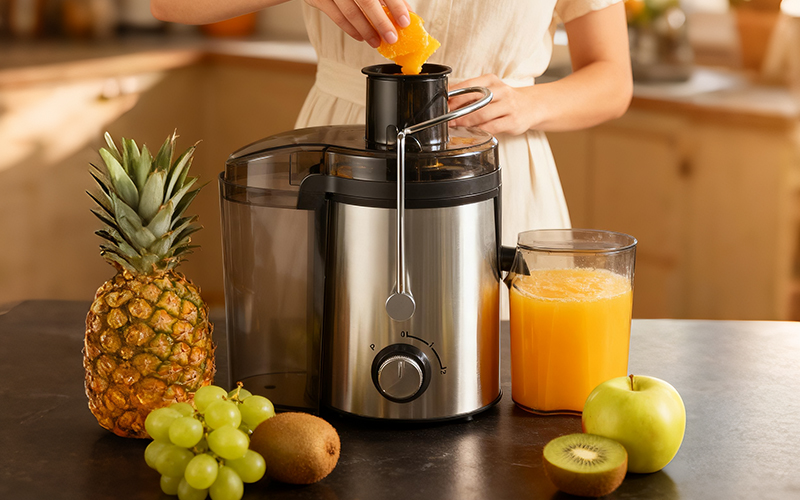
- The best juicer for you will depend on your specific needs and preferences.
- Consider factors like ease of use, juice quality, and maintenance when choosing a juicer.
- Popular juicer models include the Breville Juice Fountain, the Omega 8006, and the Hurom Slow Juicer.
- Reading reviews and comparing features can help you make an informed decision.
Budget-Friendly Options
- Budget-friendly juicer options are available, with prices starting from under $100.
- These juicers may not have all the features of more expensive models, but they can still produce high-quality juice.
- The Shine Multi-Batch Compact Cold Press Juicer is a great budget-friendly option that delivers excellent performance.
- Consider your budget and needs when choosing a juicer, and look for models that offer the best value for your money.
Health Benefits of Juicing
- Juicing can provide numerous health benefits, including increased nutrient intake and improved digestion.
- Consider the benefits of juicing for specific health conditions, such as inflammation or immune system support.
- Look for information on how to incorporate juicing into your diet and lifestyle.
- Consult with a healthcare professional before starting a juicing regimen, especially if you have any underlying health conditions.